
Introducing Cardiovascular Disease risk factor Lipoprotein A [LP(a)]
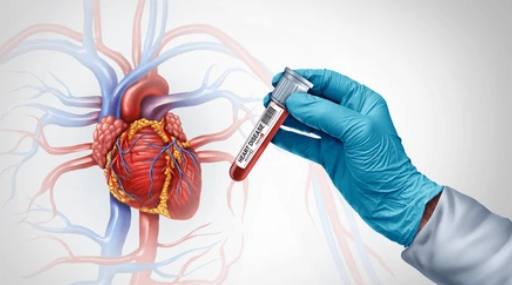
Although Lipoprotein A has been known about for decades, there was no way of measuring it until recently. Following years of research there are now guidelines in place to help identify increased risk of Cardiovascular events such as heart attacks, Aortic Valve stenosis, and strokes, based on results from a simple blood test. Unlike the more talked about 'bad' LDL Cholesterol, LP(a) is predominantly (up to 90%) genetically determined, and not altered with lifestyle factors such as diet and exercise. 1 in 5 people will have elevated LP(a) levels.
The level of LP(a) only needs to be checked once, as it will alter little over time.
Following events such as a heart attack (MI), the level initially drops, but can then spike after a few weeks, sometimes up to a few months. It is uncertain how long LP(a) levels takes to return to baseline, or if in some cases they remains higher than pre event. More research is required in this area. Levels can also be slightly elevated post menopause, although studies have shown this can be reduced in those taking estrogen in the form of hormone replacement. This is not a current treatment for raised LP(a) however, and remains only prescribed on a risk v benefit basis for menopausal symptoms. Ethnicity plays a part also, with people of African and South Asian heritage having a higher incidence of elevated LP(a) than Caucasian and other Asian populations.
A one-off test is an adequate indicator to assess cardiovascular risk, and in the absence of targeted LP(a) treatment, regular tracking of levels is not required at this time.
Why is LP(a) so concerning?
The LP(a) molecule is very sticky, inflammatory and pro-thrombotic, meaning more likely to form blood clots. Cholesterol molecules bind together to form particles called lipoprotein. Both LDL and LP(a) particles contain one protein molecule Apolipoprotein B (Apo B). These particles adhere to the surface of LDL and LP(a) and transport fats around the blood stream, however the LP(a) molecule attaches like a tail to Apo B, collecting debris along the way in the form of oxidised phospholipids (basically, inflammatory material that can stick in the artery walls.) This inflammatory process can result in the endothelial lining of the artery deteriorating and causing plaques to form. When plaques become unstable and rupture, this results in a heart attack, (myocardial infarction). Because of its unusual structure, LP(a) is not cleared as easily by the Liver. It is thought that LP(a) is up to six times more atherogenic (more potent and thereby increasing damaging plaque in the arteries) than LDL Cholesterol.
The concerns around LP(a), compared to LDL Cholesterol, are that LP(a) does not respond to Statins, in fact there may be a minimal increase in LP(a) from Statins, and in some cases a reduction in HDL Cholesterol. However, this is just looking solely at the numbers, and not how that correlates to actual statistics. The overall benefits of Statins in lowering cardiovascular events have been very well documented over the years after decades of research. Taking a Statin for elevated LDL Cholesterol is a positive step towards reducing overall risk of a Cardiovascular event. By managing risk factors, in addition to medication, LDL Cholesterol can be significantly reduced. Eating a healthy well balanced diet, getting regular exercise and maintaining a healthy weight (BMI within range) also helps to reduce stress on the body. Maintaining stable blood glucose levels and reducing insulin resistance is important. For diabetic patients, good glycaemic control is instrumental in reducing the risk of a future cardiovascular event, as is maintaining good blood pressure control through lifestyle factors and medication if indicated.
Other factors to consider include managing stress, getting adequate sleep, stopping smoking and reducing alcohol intake to within recommended limits. All these small changes can add up and help ease the burden on the body and, in doing so, reduce overall risk of cardiovascular events.
Knowing your LP(a) result is another piece of the puzzle and can help guide treatment and management, for example, conservative treatment vs aggressive treatment of Cardiovascular risk factors. There is no treatment available right now to treat LP(a) specifically, though the group of medications shown to drastically reduce LDL Cholesterol, called PCSK9 inhibitors, have also shown to moderately reduce LP(a) levels also and are slowly making their way onto the market in New Zealand. However, the future looks promising...
Current clinical trials have been testing the 'small interfering RNA' (siRNA) group of future medicines that act as gene-silencing therapies. These act in a similar way to technology used for a vaccine, and in this instance are designed to switch off the LP(a) production, by targeting the LPA gene in the liver. These would be administered via injection quarterly to twice a year. This is a very exciting breakthrough, with initial results in current trial drugs with four major pharmaceutical companies showing results of reductions in LP(a) by up to 90-94% and very well tolerated in terms of side effects. There is also an oral medication alternative being tested. These medications are still in the early clinical trial stage, so we are a few years away from this technology being marketed and readily available and accessible to the general public, but it does offer hope for the future and will certainly change the landscape of Cholesterol management.
Who would benefit from knowing their LP(a) result?
People with premature heart disease, i.e. heart attack, stroke, aortic stenosis or peripheral artery disease, (before the age of 55 for men and 65 for women)
Those with close family members with elevated LP(a) levels
Individuals with diabetes who face an increased cardiovascular risk
Patients with heart failure